
QUIET LIFE / VOLUME ONE / 2026NO FIXED ADDRESS
A first-person photographic record of 23 nights without a secure home, while continuing to work full time.
Outcomes: Published by The Big Issue, Invisible People, NewStart, Centre for British Documentary Photography and The i Paper. Selected for exhibition and public speaking.
THE PROJECT
The first morning after sleeping in my car, I still had to go to work.
I had somewhere to be, a job to do and people expecting me to turn up. What I didn't have was somewhere safe and permanent to return to when the shift ended.
No Fixed Address began as a way of recording that contradiction.
I photographed the places I slept, the objects I carried and the routines that kept everything functioning. Washing clothes, finding water, charging equipment, preparing food and turning the back seat of a car into a bedroom, then making it look like a car again before morning.
I wasn't interested in manufacturing dramatic images of homelessness. Most of what I experienced was ordinary, repetitive and surprisingly easy to hide.
The photographs and writing belong together. The images show what was there. The words carry some of what happened outside the frame.
The Car
The first decision was shelter.
A hotel was obvious. My bank account had other ideas.
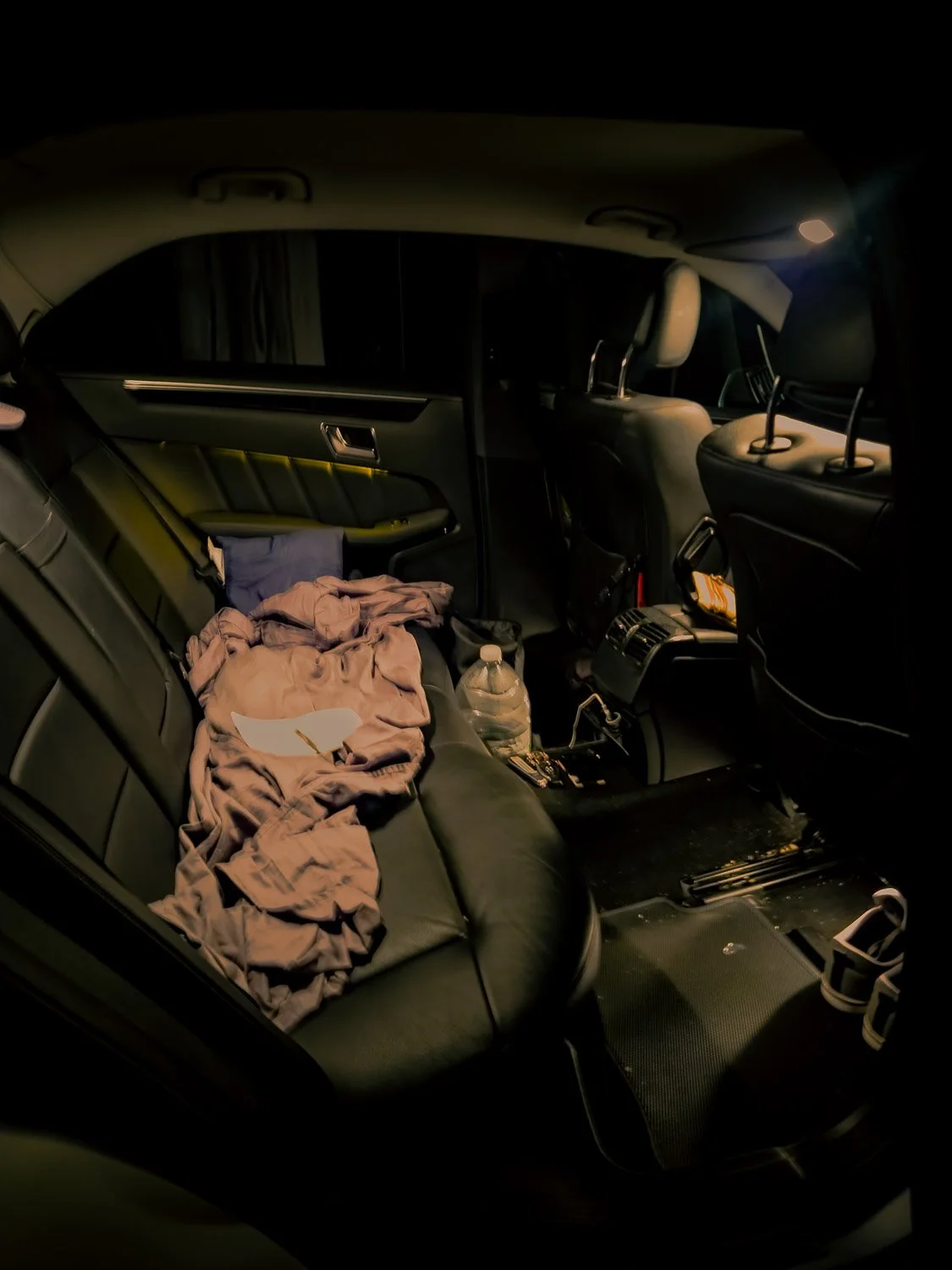
So I slept in the car.
I pushed the seat back and tried to sleep. I managed a few broken hours.
Before daylight I got out, folded the sheet and pushed everything out of sight. The bedroom became a car again before anyone needed to know what it had been.
Ramada Laundrette
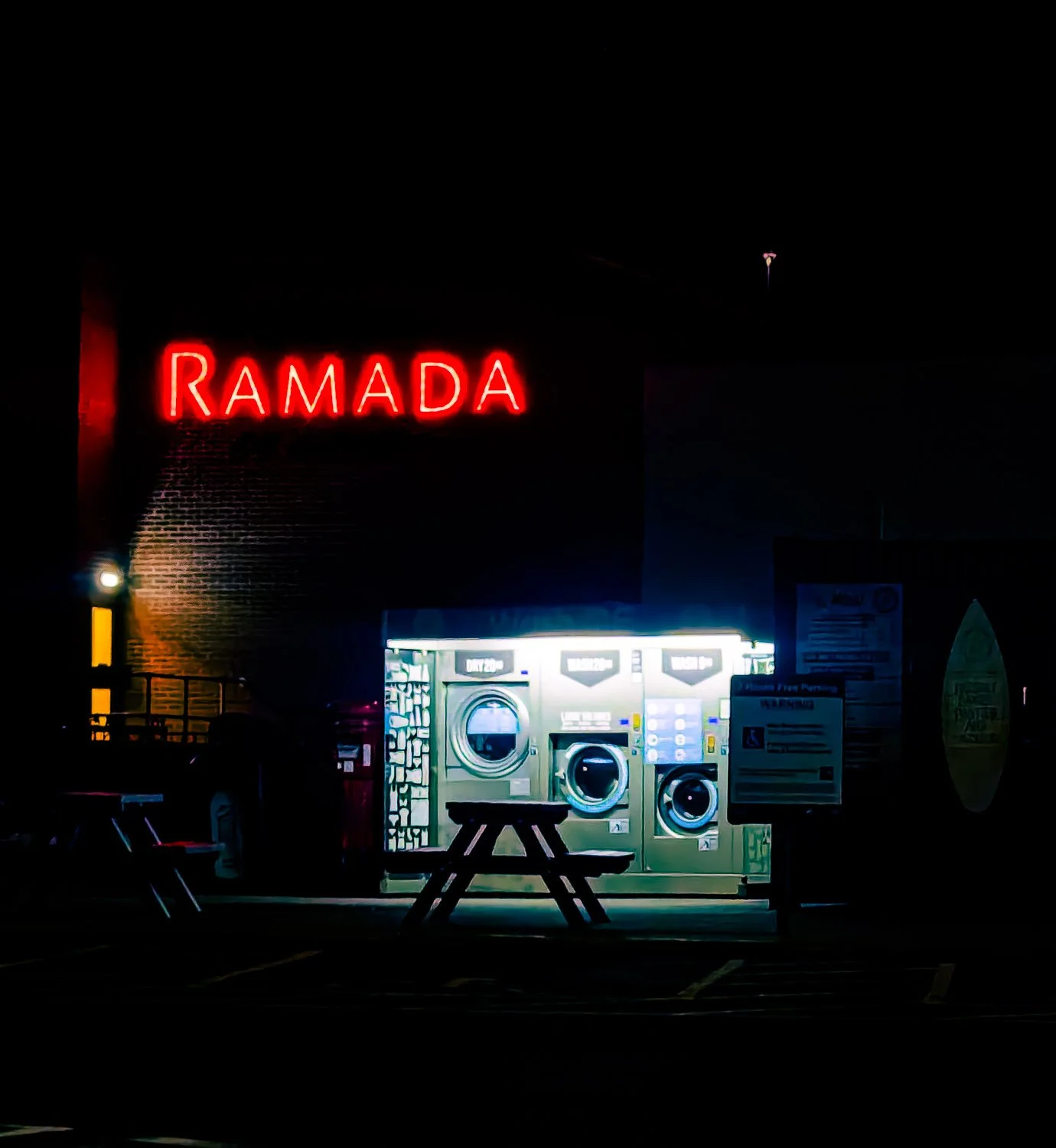
Keeping my work clothes clean became another job to organise. This was one of the places that made it possible.
THE CAMPSITE
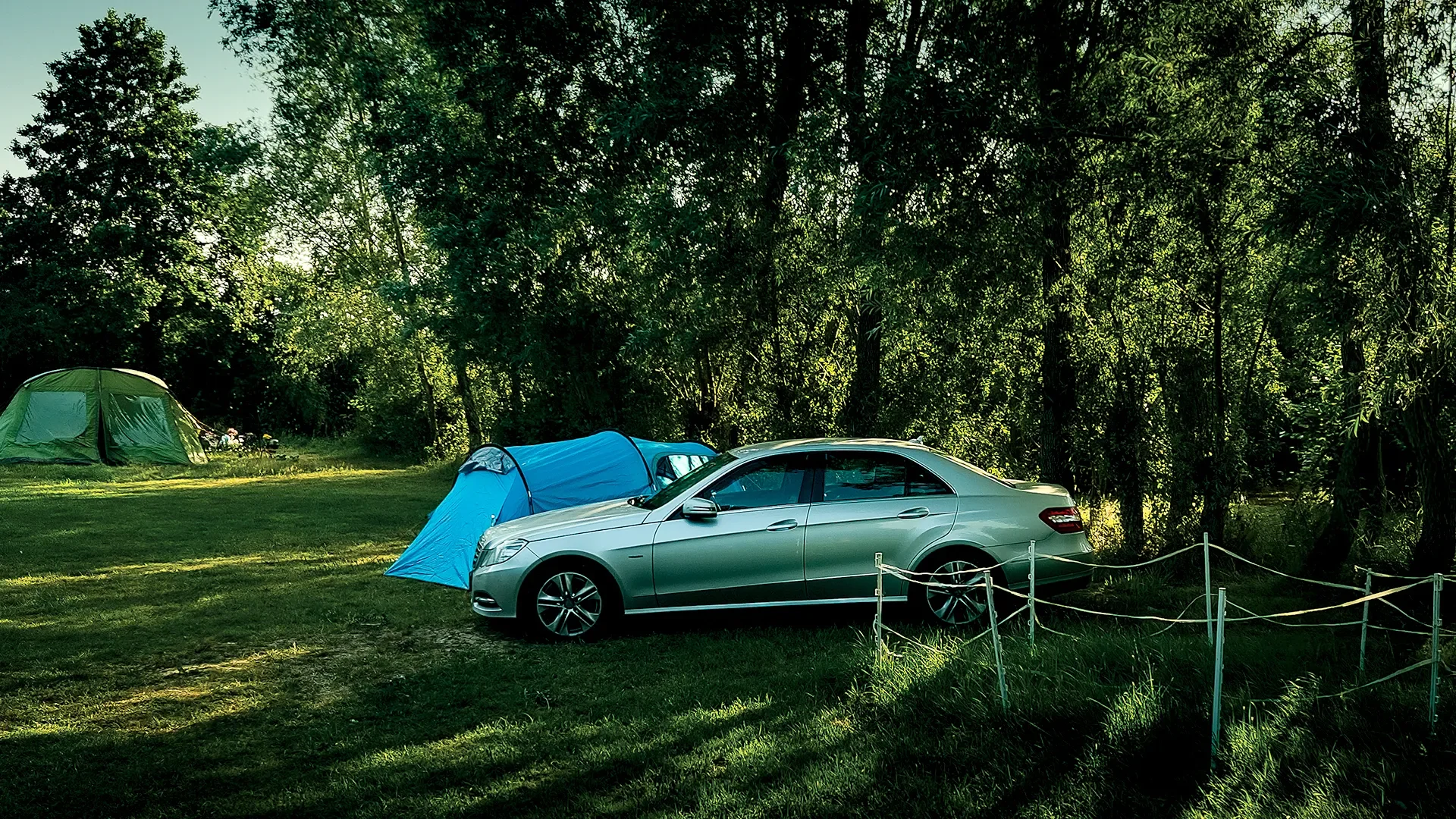
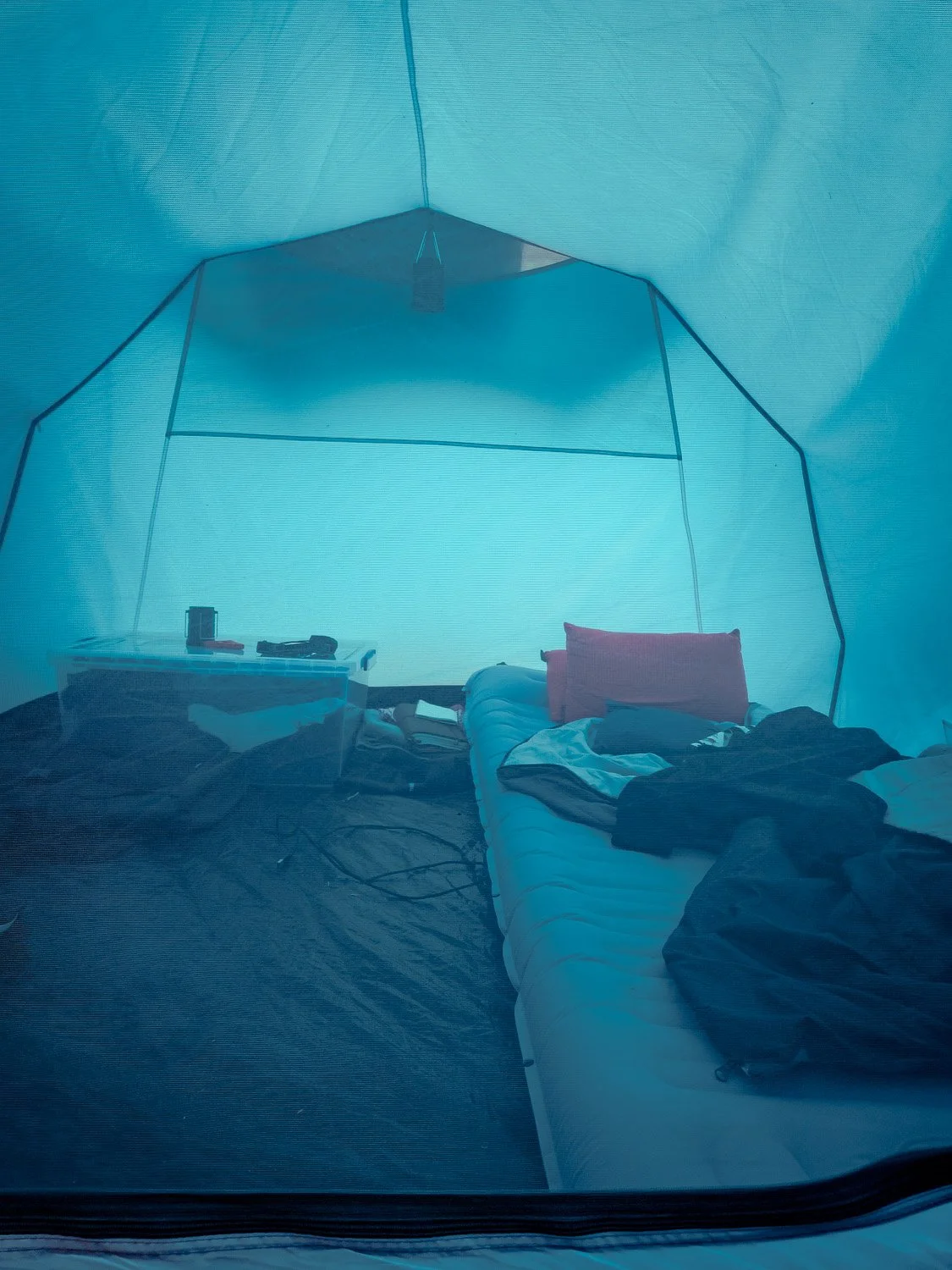
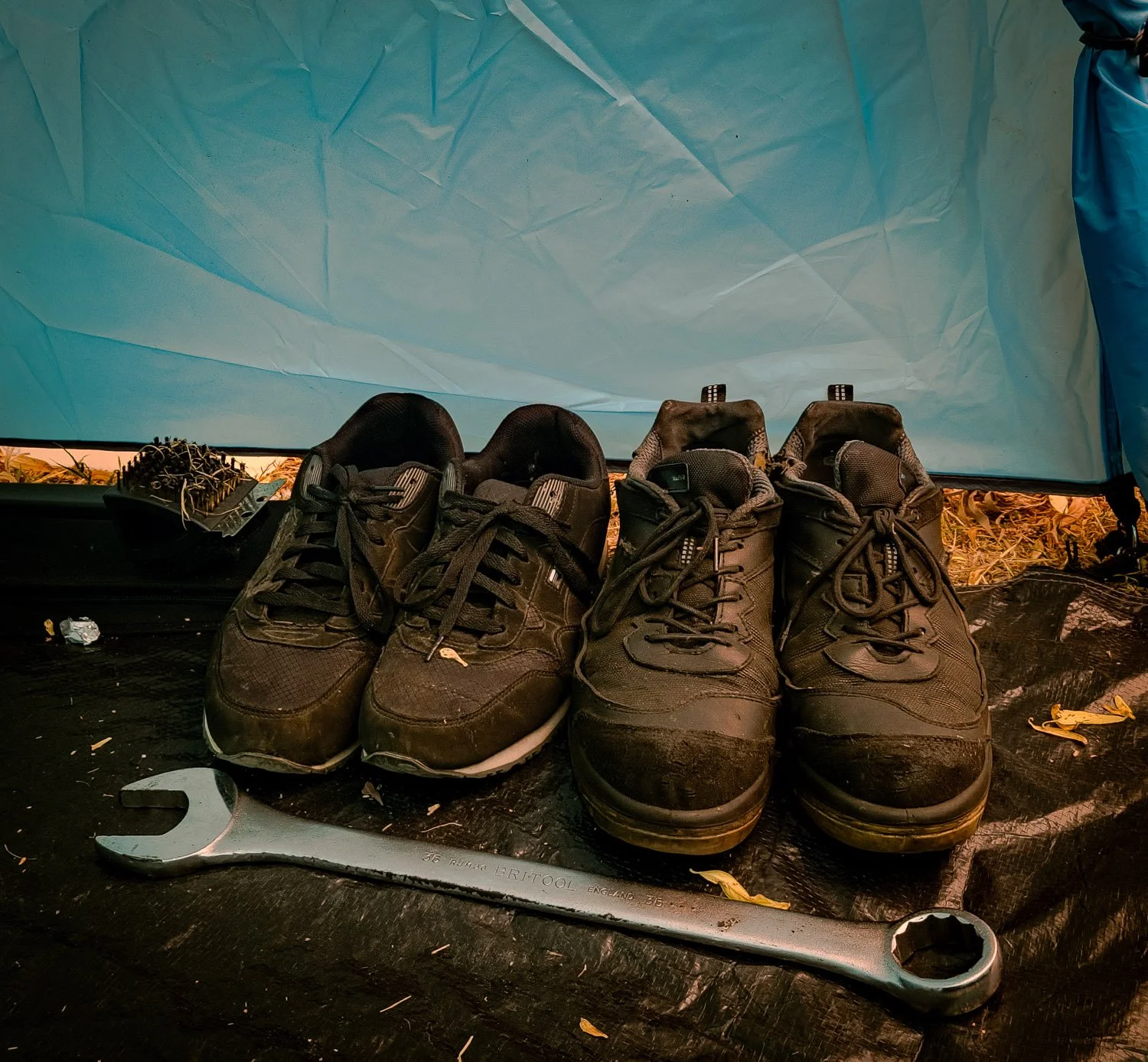
Moving into a tent gave me more space, access to showers and somewhere I could leave my belongings.
It made the practicalities easier. I no longer had to turn a car into a bedroom every night and back again every morning.
But I was still going to work, still living around the facilities available to me and still having to organise the ordinary parts of life that most people take for granted.
The campsite gave me somewhere to stay. It didn't give me a home.
The routine
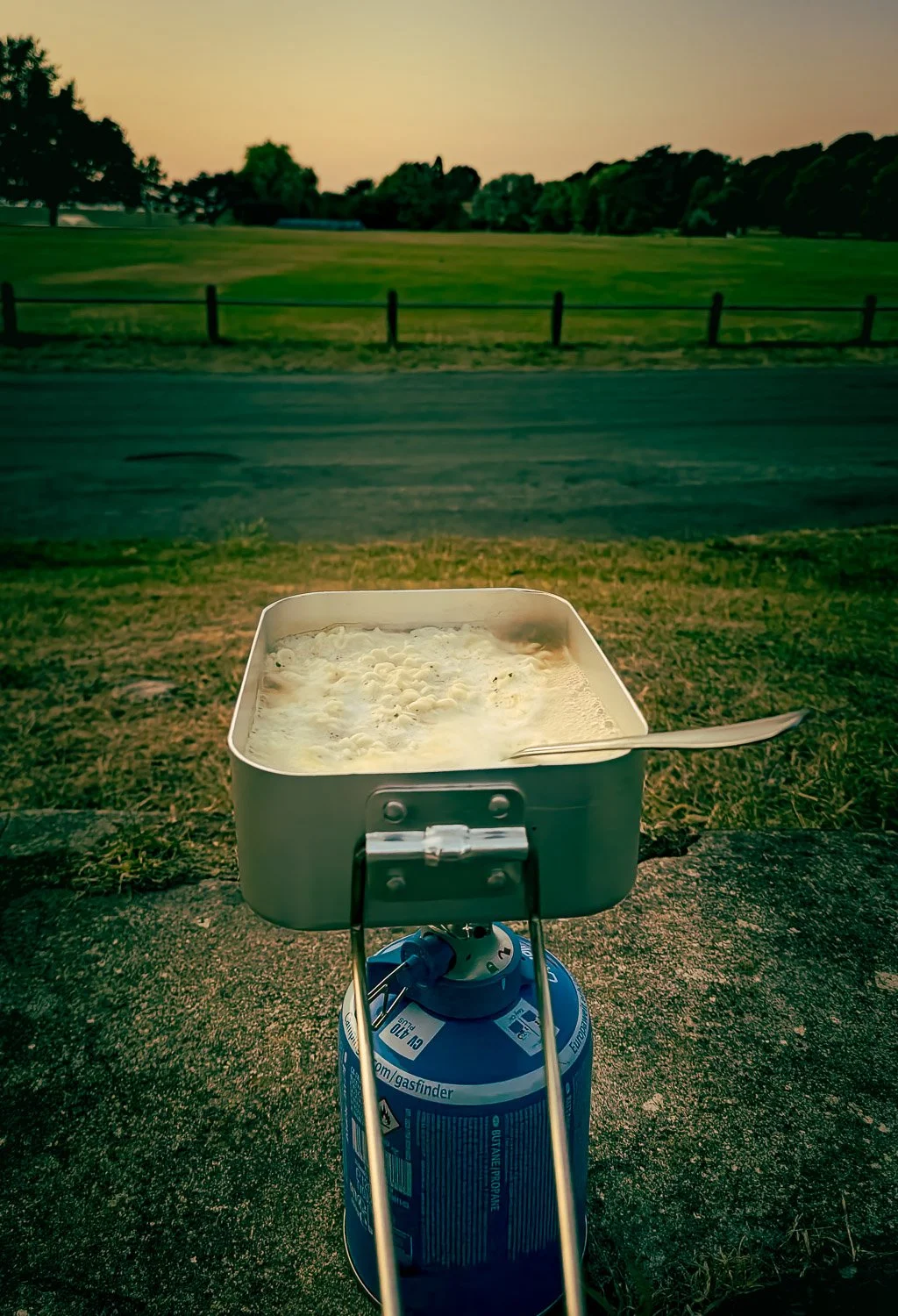
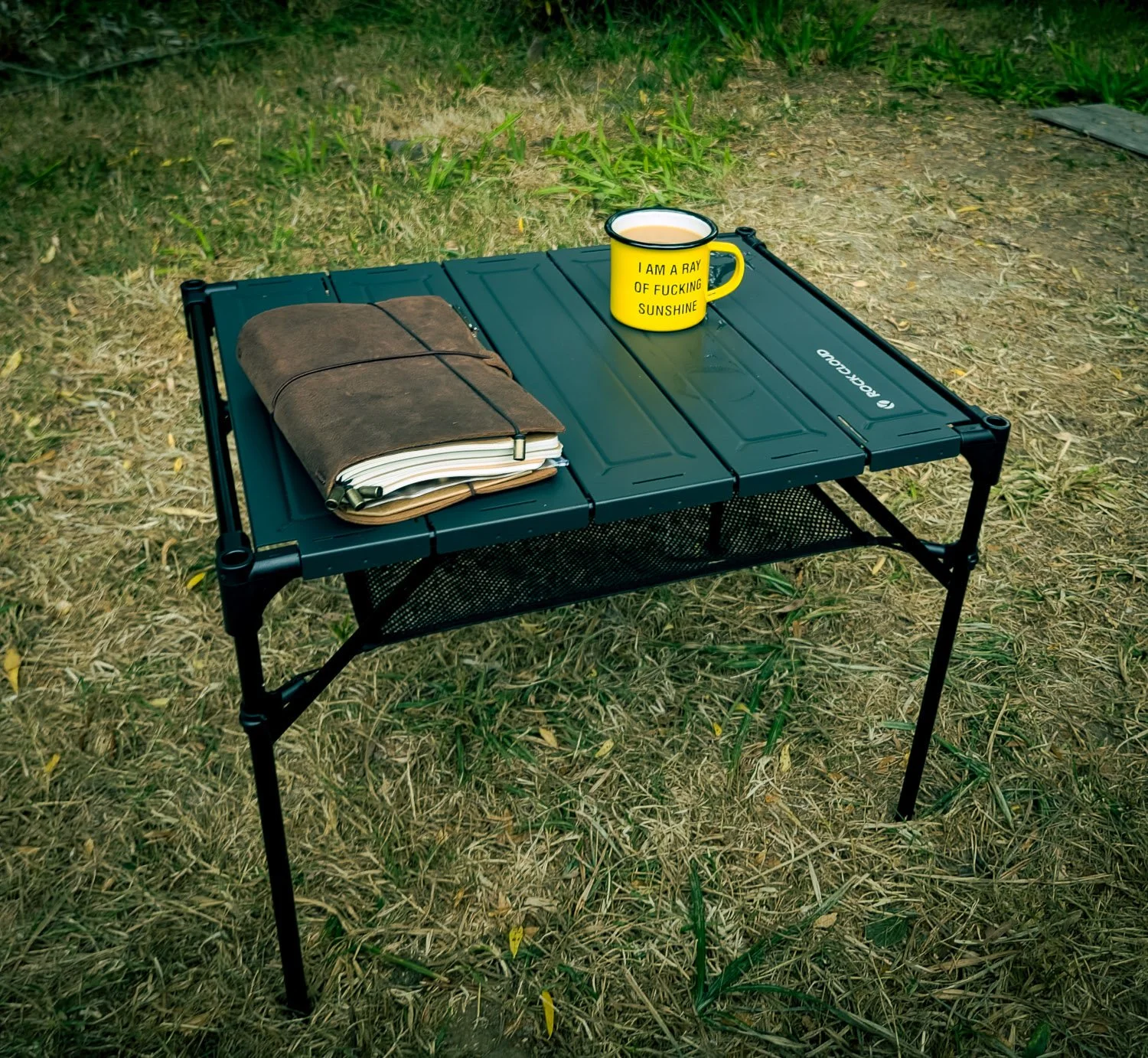
The workday ended, but the organising didn't.
I still had to eat, get washed, charge equipment and prepare for work the following morning.
Things that barely required any thought when I had a home now needed planning. None of them was particularly remarkable on its own. It was having to think about all of them, every day, that became exhausting.
Back Inside
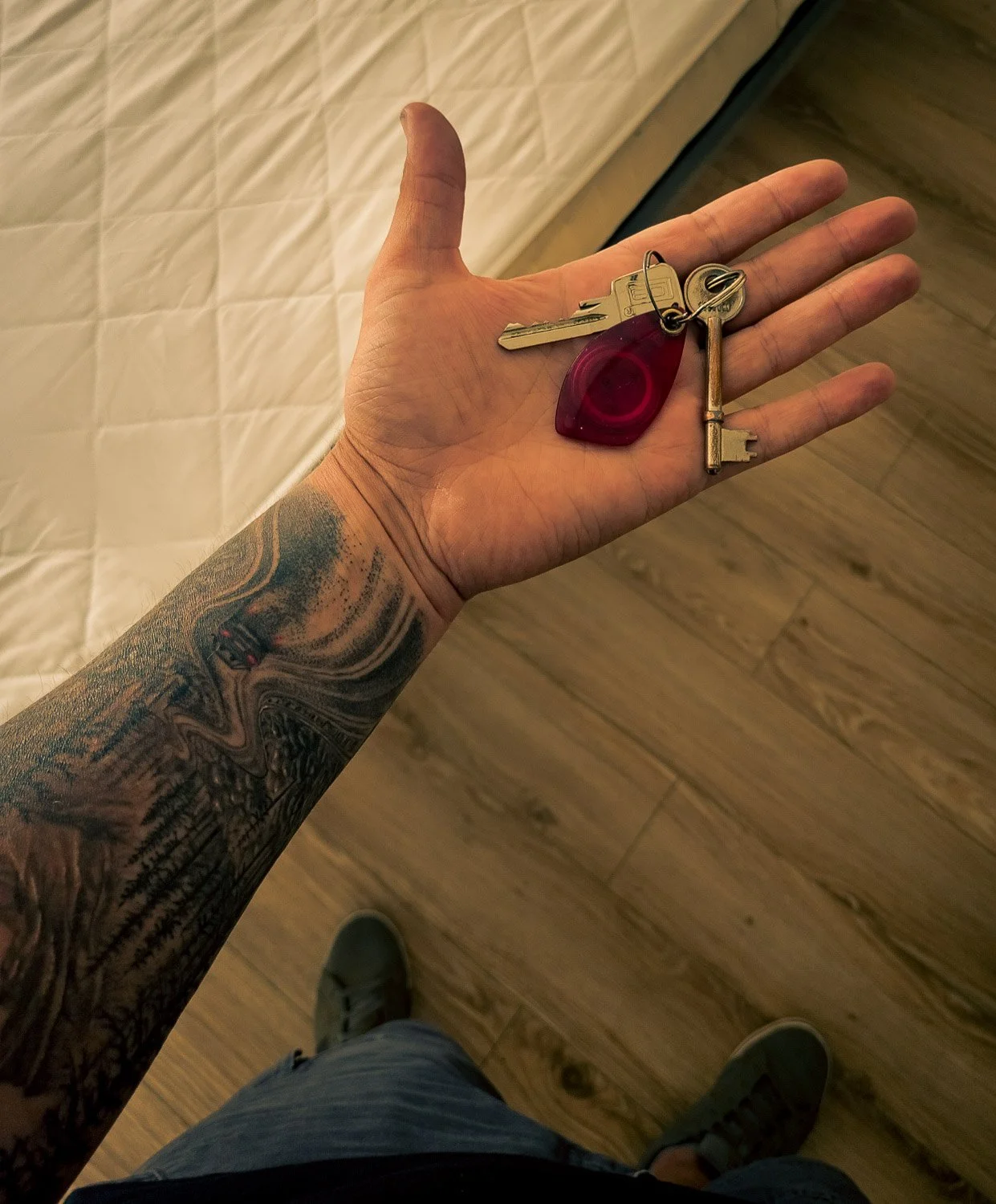
Moving indoors did not produce the clean ending I had imagined while I was outside.
On the first morning in the room, I woke before five.
There was no tent to pack down. No bedding to hide. No battery percentage to stare at as though it might improve through intimidation.
I was simply awake because my body had apparently decided that this was the correct time now.
The practical problem changed faster than I did.
I could lock the door.
That was enough to begin.
THE PHOTOGRAPHIC APPROACH
Some of the strongest photographs in No Fixed Address would have looked unremarkable outside the project.
A car seat. A washing machine. A camping stove. A tent.
They were ordinary objects being asked to do different jobs.
I made the work from inside my own experience. I didn't need to photograph somebody else's vulnerability to make homelessness visible. The access was mine, and so were the decisions about what to show and what to leave out.
The photographs aren't always self-explanatory. A campsite can look like a holiday. A car beside the sea can look like somewhere I chose to be.
That's where the writing matters.
The photographs show the places and objects. The writing carries what happened outside the frame: the uncertainty, the practical decisions and the reasons those ordinary things had become important.
I wanted the work to look like my life at that point, not somebody else's idea of what homelessness should look like.
WHY THE WORK CONTINUES
The 23 nights ended. The questions they raised didn't.
I was still working full time, earning a wage and doing most of the things people associate with having a reasonably ordinary life. I was also homeless.
I don't think my experience represents everybody else's. It was relatively short, and there were advantages I had that other people don't. But it made me question how we understand homelessness, how we recognise people experiencing it and how easily housing insecurity can remain hidden behind an apparently functioning life.
That's why I've continued trying to get No Fixed Address published, exhibited and discussed.
The photographs can show what my experience looked like. The writing allows me to explore what was happening beyond the frame. Publication takes both beyond my own website and puts them in front of people who might never otherwise encounter them.
I want to keep hidden homelessness in public discussion, alongside the wider questions it raises about employment, housing security, prevention, access to help and the way homelessness is defined and measured.
I don't expect photographs or articles to resolve those questions. But they can give people something specific to look at, question and discuss.
I'm also trying to build a career as a photographer and writer. I don't see a contradiction between that and wanting the work to be useful. The two can exist together.
The circumstances that produced No Fixed Address are over. I intend to keep finding worthwhile places for the work, and the conversations around it, to go.
1732
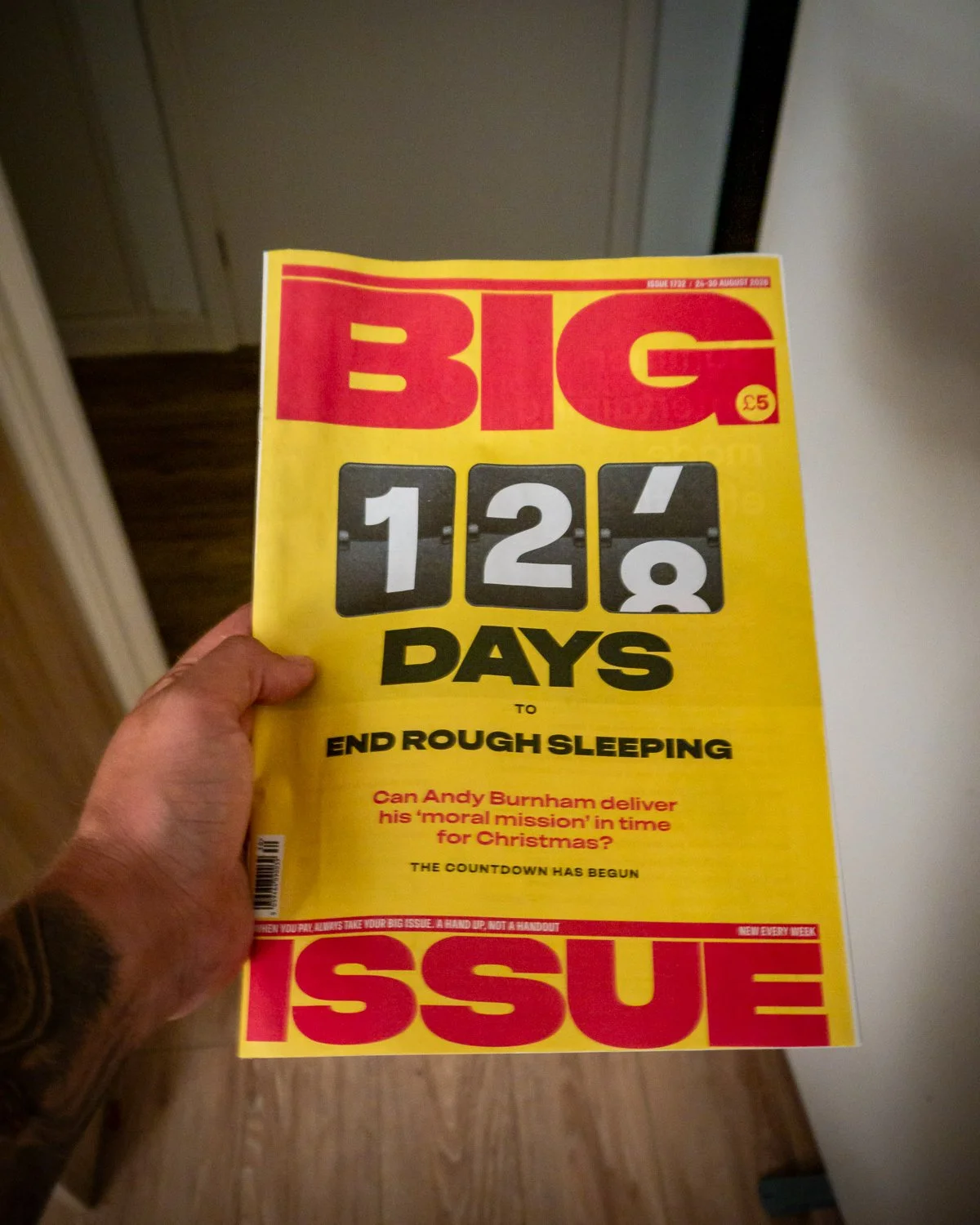
In August 2026, The Big Issue published four pages of No Fixed Address in Issue 1732. It was my first paid national publication combining photography and writing.
Only weeks earlier, I'd been sleeping in the car pictured in those pages. By the time the magazine appeared, I had somewhere to live again.
Holding that printed copy mattered. It wasn't a neat ending, and publication didn't undo what had happened. But it proved the photographs could have a life beyond the circumstances in which they were made.
The number stayed with me, eventually becoming SEVENTEENTHIRTYTWO, a name I now carry into my wider creative work.
SELECTED PUBLICATIONS
Centre for British Documentary Photography
No Fixed Address · Documentary photography and writing
The i Paper
I live in England’s least affordable city – I have a job but still ended up homeless
EXHIBITIONS & PUBLIC ENGAGEMENT
EXHIBITIONS
Create for People / Create for Collab
18–22 November 2026
Three photographs from No Fixed Address selected for the group exhibition: How to Hide a Bedroom, Offshift and A Fixed Address.
pUBLIC sPEAKING
29 October 2026 · Confirmed speaker
Invited to contribute to Lived Experience Leading Change, discussing hidden homelessness and the experience of remaining in employment without a secure home.
ARCHIVE & ENQUIRIES
This case study presents a selection from No Fixed Address. The full photographic archive is password-protected, with access available on request for editors, curators, publishers and prospective collaborators.
The project remains open to further publication, exhibitions, public speaking and conversations around hidden homelessness and housing policy.
Enquire
Get in touch about commissions, editorial work, speaking opportunities or collaborations.